
SAFETY STAND DOWN
2026 SUICIDE PREVENTION & AWARENESS
WEEK FIVE
Understanding Clinical Resources
This final week focuses on an important question: When you or someone you care about needs more support, do you know where to turn?
Firefighters face unique challenges. The cumulative effects of traumatic incidents, occupational stress, disrupted sleep, family pressures, grief, and years of exposure to difficult calls can add up over time. Sometimes support from a friend, family member, or peer isn’t enough.
Knowing where to find professional help and knowing how to access it before a situation becomes a crisis is part of taking care of ourselves and our crews.
Seeking support isn't a failure to handle the job. It's another way of taking responsibility for yourself, your family, and the people who count on you.
WEEK FIVE LESSON PLAN
Start the Conversation - Set aside time during your shift this week to:
Watch this week's video together and review the resources available to firefighters.
Know where to find confidential support and how to access care when you need it.
Look for care that understands the fire service.
A clinician who understands the culture, demands, and experiences of firefighters can provide a different level of support.
Know what resources are available to you now. Don't wait until someone is in crisis to figure out where to turn.
Stand Down materials, including videos, discussion prompts, and printable resources, are available HERE.
WATCH THE VIDEO
WEEK FIVE: Social Media Toolkit
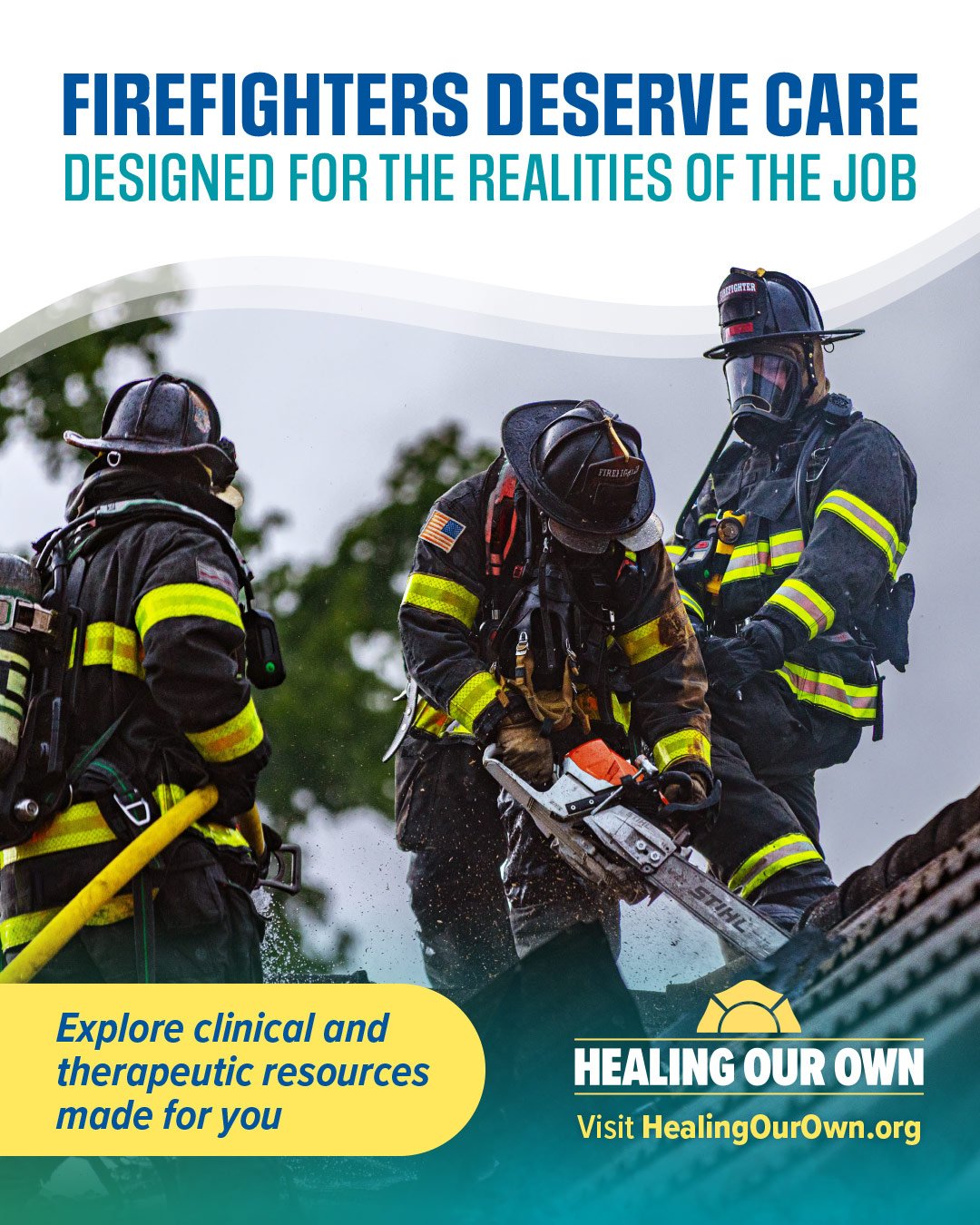
-
The realities of the job are like no other, and the care you receive should be the same. Firefighter-focused support is available for you and your family.
Visit HealingOurOwn.org for behavioral health resources you can share with your crew and use to keep the conversation going year-round.
-
The realities of the job are like no other. The care you receive should be the same.
Visit HealingOurOwn.org for behavioral health resources you can share with your crew and use to keep the conversation going year-round.
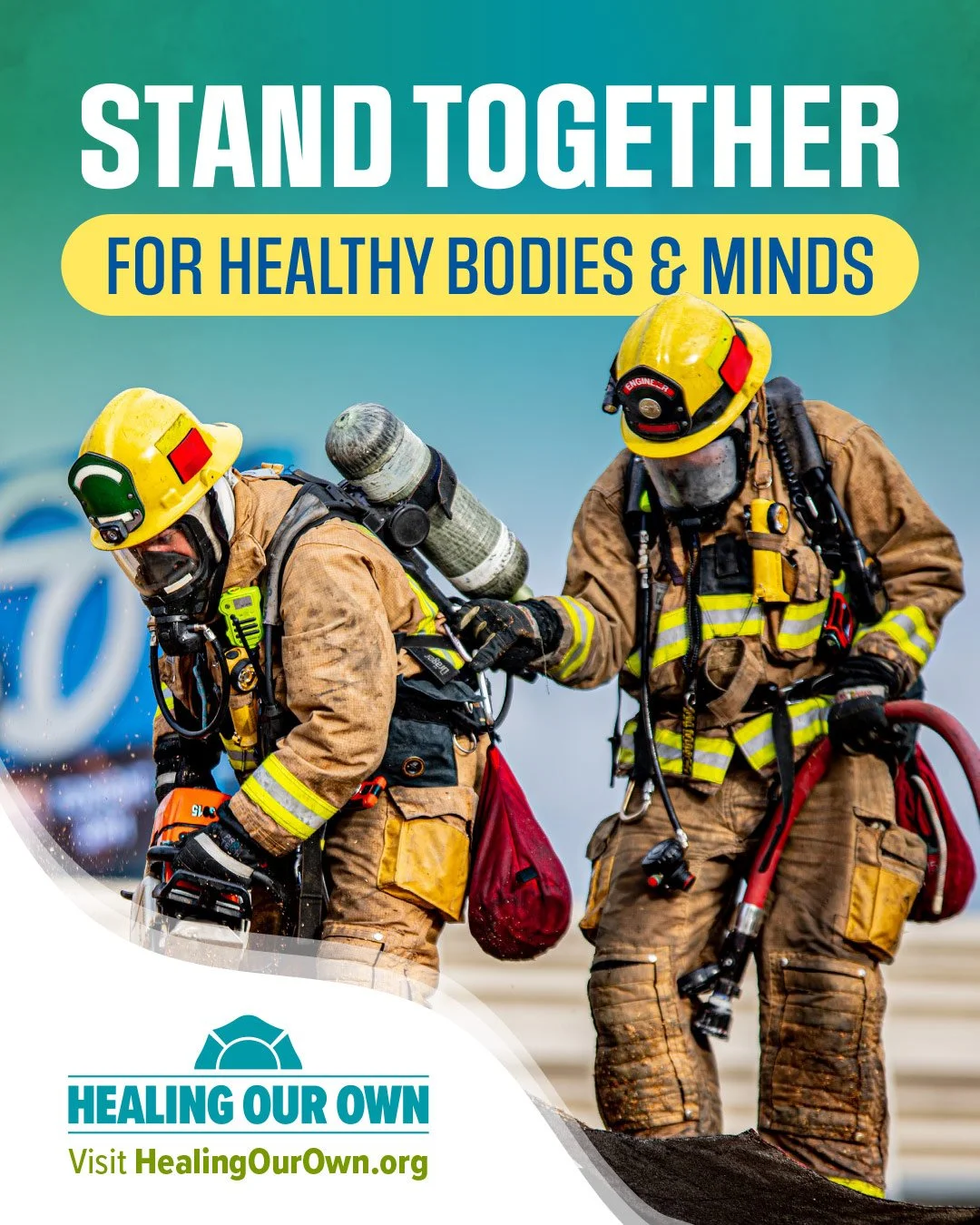
-
Suicide Prevention and Awareness Safety Stand Down Month may be ending, but looking out for one another never does.
Thank you to everyone who participated, shared resources, and helped keep the conversation going. The stress, trauma, and pressures of this job don’t stop when the month ends, and neither should our commitment to supporting one another.
Visit HealingOurOwn.org for mental health resources you can share with your crew and use to keep the conversation going year-round.
-
Suicide Awareness Stand Down Month may be ending, but looking out for one another never does.
Visit HealingOurOwn.org for mental health resources you can share with your crew and use to keep the conversation going year-round.

MAKE MENTAL HEALTH A PRIORITY
No matter how tough, no one is immune to the anguish that can build from a career of difficult calls.
All too often, we keep the anguish buried inside, afraid to be labeled as weak or unfit. "The 'suck it up, buttercup' mentality believes ... all you need to do is rub some dirt in it and get back out there." The thing is, the same line was used against SCBA, seat belts, turnouts and other safety equipment and practices that are saving firefighter lives. As with any injury, allowing this anguish to fester can lead to unhealthy habits, behaviors, and, sometimes, death. Mental health is medical health.